Every person is an individual world
The same event does not affect two lives in the same way. Memory, fear, desire, relationship and struggle differ. Understanding begins by refusing to judge another person only by our own measure.

Arunava’s Lens
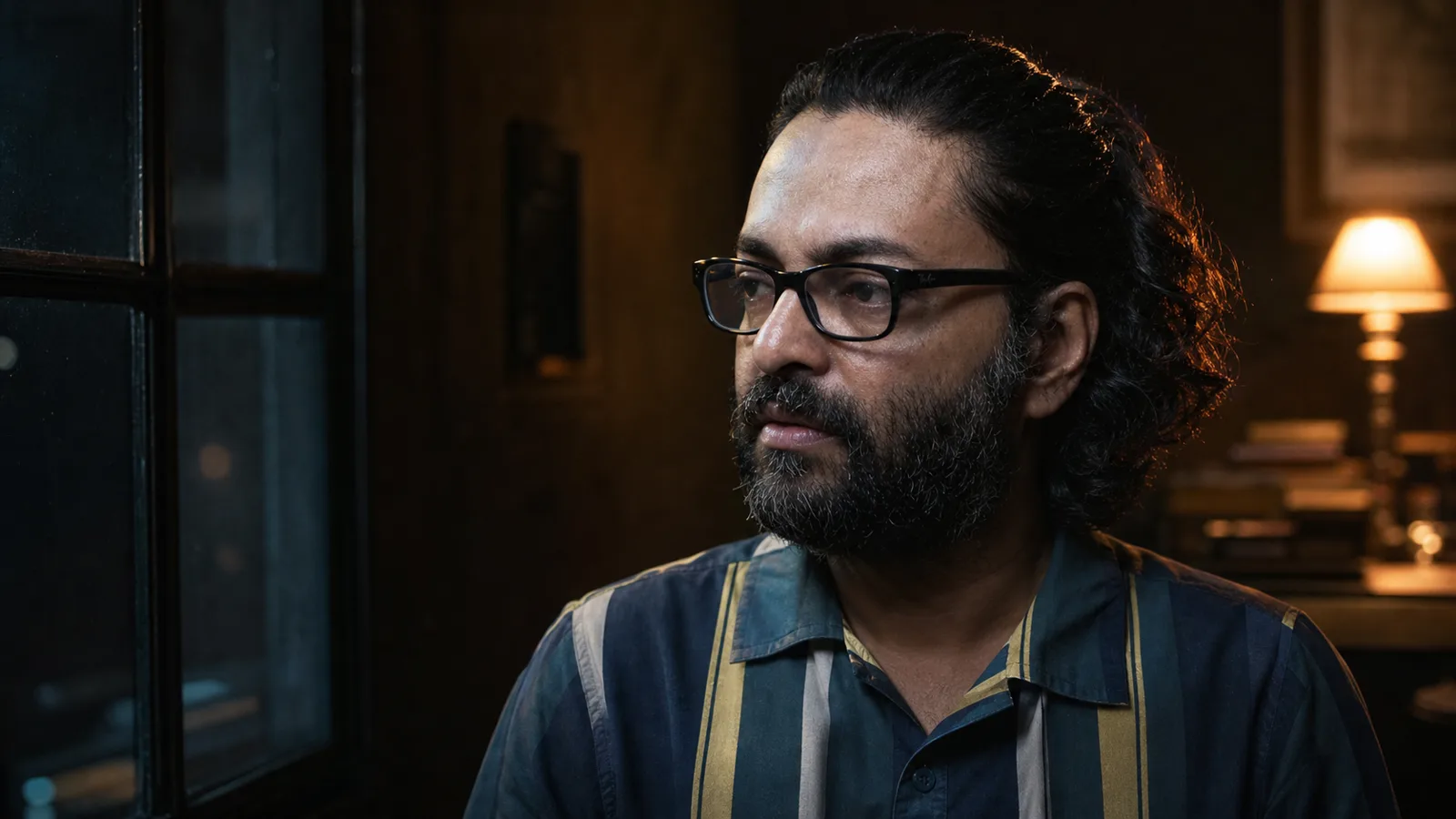
“Every life is individual. Every experience is distinct. Yet we are not isolated.”
A PHILOSOPHICAL POINT OF VIEW
The same event does not affect two lives in the same way. Memory, fear, desire, relationship and struggle differ. Understanding begins by refusing to judge another person only by our own measure.
The real effect of an event cannot be denied. Perspective enters through the relationship we build with the experience—and may make new meaning possible.
It does not erase pain. It asks whether learning, change or a new understanding can exist beside the pain.
Our experiences differ, yet the belief that we share a wider human consciousness can help us judge ourselves and others less harshly.
Instead of treating a thought as immediate truth, say: “This thought is arising in me right now.” A small distance between thought and self can make conscious choice possible.
A beginning, not a shortcut
This is not a clinical or therapeutic prescription. It is a reflective framework for beginning self-observation; Arunava’s detailed process will become clearer here over time.
From the practice
The internet gives us answers. It rarely shows which larger question an answer belongs to.
Read →Conversation craftThe most visible part of an interview is the question. The decisive part often happens after it.
Read →Cinema & creativityHow long a camera stays on a human face is also a philosophical decision.
Read →