The person first
Experience, values and conflict beneath public identity.

AN ARUNAVA KHASNOBIS SEGMENT

Lives, craft, failure, relationships, struggle and worldview—held by Arunava’s questions, listening and editorial lens. Here, an episode does not end as a video; its insight returns as an essay, a reflection and a connected reading.
Open the complete Soul Connection archive →
INSIDE SOUL CONNECTION
ARUNAVA KHASNOBIS · WRITING
Each essay begins with an unfamiliar conflict inside a familiar life—and delivers story, evidence, a serious counterview and one clear lens to carry into your own.
 01
DOES THIS QUESTION STAY WITH YOU?
Raj Chakraborty’s published interviews open a practical question about casting: how can we test someone for unfamiliar work without letting either their reputation or our sympathy decide the result?
WHAT STAYS WITH YOUA familiar performance is evidence of something someone has done, not a complete inventory of what they can do.
 02
DOES THIS QUESTION STAY WITH YOU?
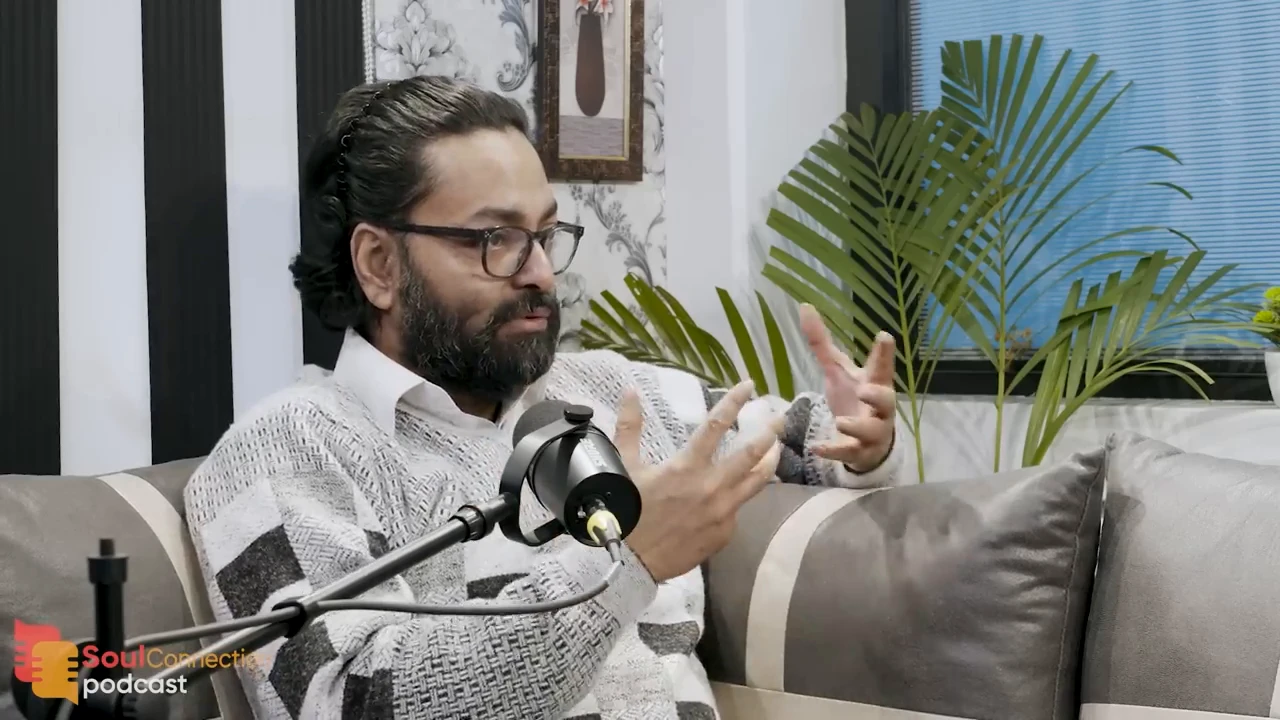
Drawing on Kaushik Ganguly’s published interviews, this essay offers a way to distinguish sympathy for a character from attention to their wishes, work and choices.
WHAT STAYS WITH YOUA person can deserve our attention without first becoming an ideal recipient of our sympathy.
 03
DOES THIS QUESTION STAY WITH YOU?
Anirban Bhattacharya’s published interviews open a practical distinction between attracting attention and improving a performance. Learn what to ask of a rehearsal, a comment and your next take.
WHAT STAYS WITH YOUA generous response can encourage you without telling you what to change in the next take.
 04
DOES THIS QUESTION STAY WITH YOU?
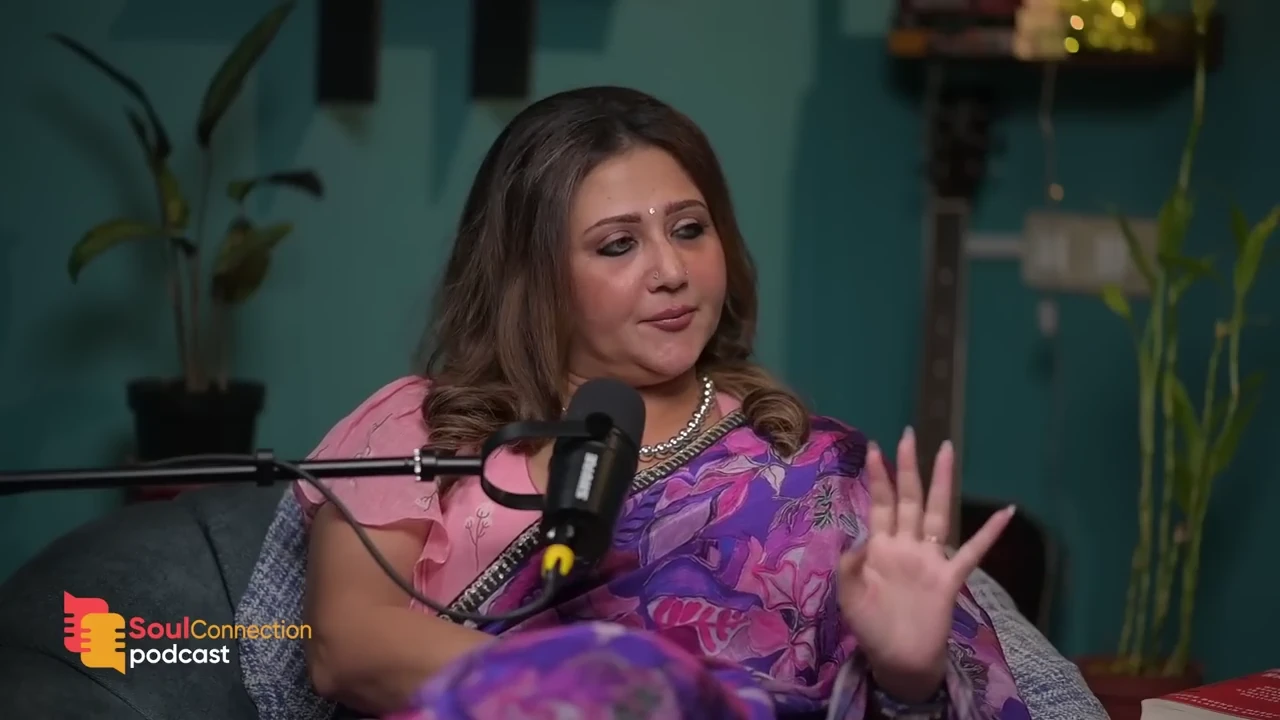
Recognising a face can feel like knowing a life. Swastika’s published reflections help separate fair criticism from the belief that a familiar person owes us unlimited access.
WHAT STAYS WITH YOUHearing someone’s own account is not the same as treating that account as the whole truth.
 05
DOES THIS QUESTION STAY WITH YOU?
Ananya Chatterjee’s discussion of Annapurna opens a household question: are we making room for a mother’s choices, or merely fitting them around our convenience? A practical way to distinguish care from permission and control.
WHAT STAYS WITH YOUA mother’s time becomes her own when someone else accepts the work that used to follow her.
 06
DOES THIS QUESTION STAY WITH YOU?
Parambrata Chattopadhyay’s conversation opens a practical distinction between protecting your taste and protecting yourself from feedback. A way to examine failed work without insulting its audience or surrendering its ambition.
WHAT STAYS WITH YOUDisagreeing with an audience is not the same as placing that audience beneath you.
Experience, values and conflict beneath public identity.
Letting an answer finish before turning it into a thesis.
What one lived experience can illuminate in a larger question.