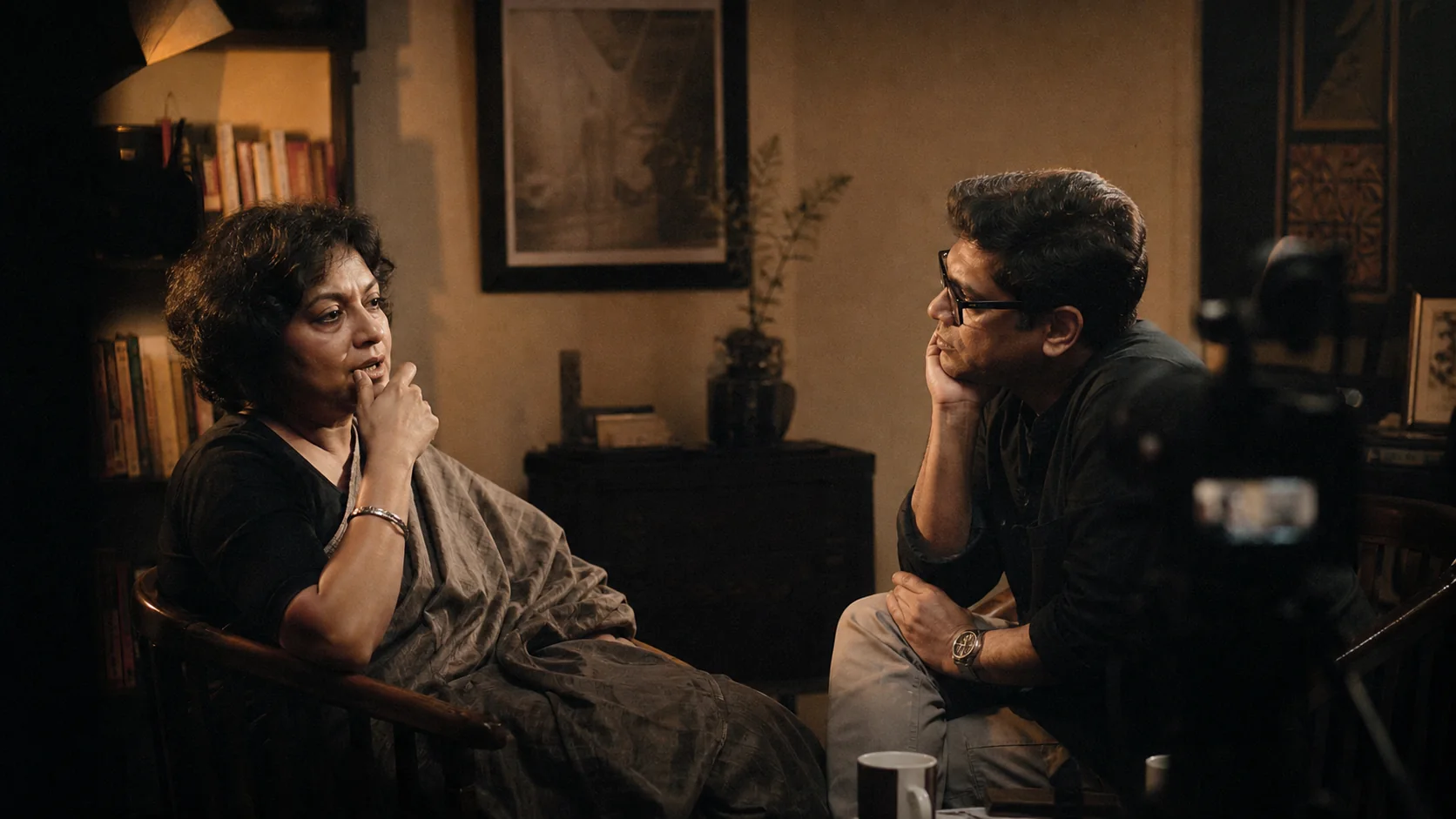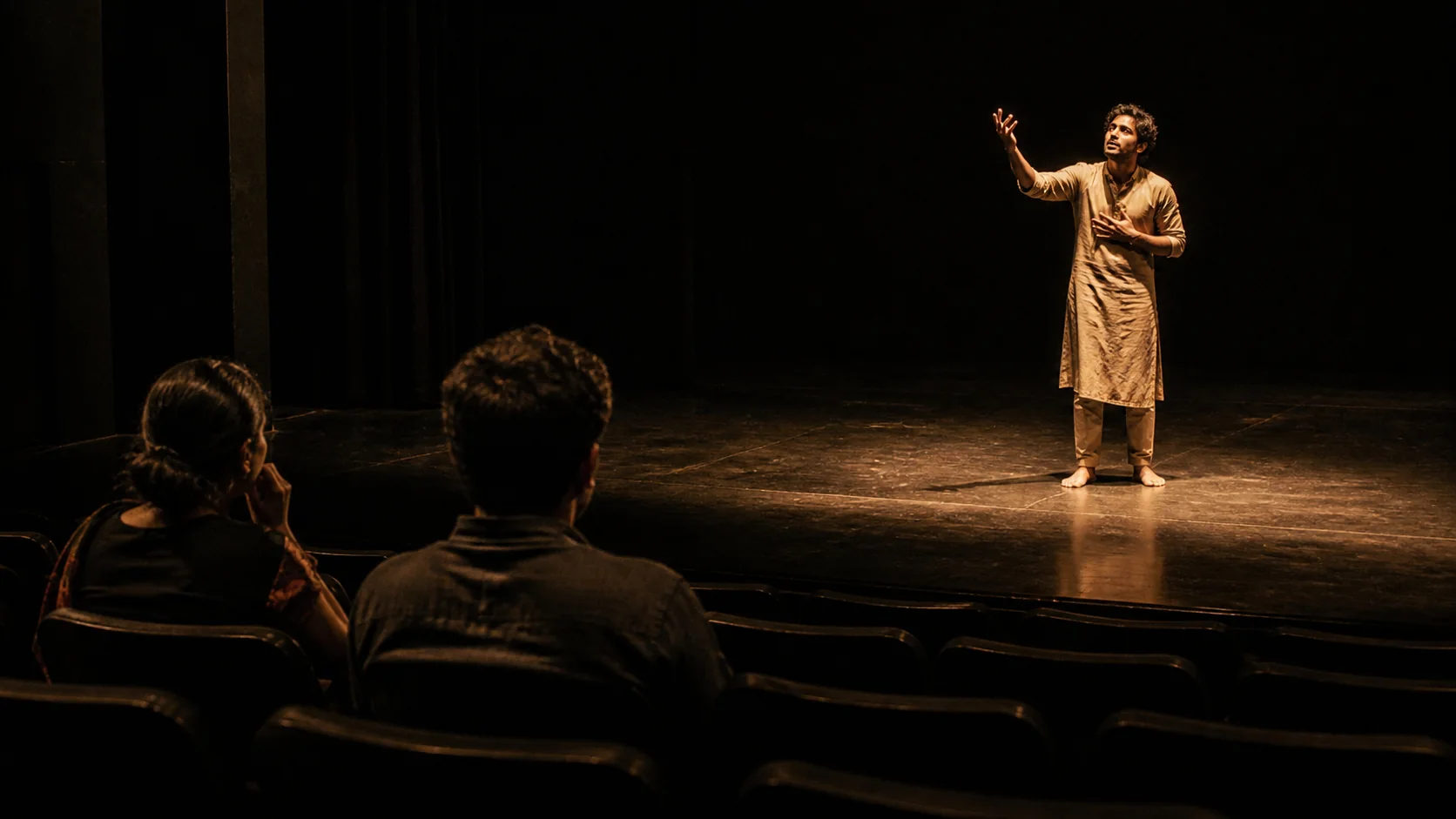
Soul Connection · Cinema · Survival
Everyone praised the performance. Then the phone stopped ringing. What does an artist protect?
A practical way to separate craft, self-respect and market approval when good work does not lead to the next job.
The praised performance and the silent phone
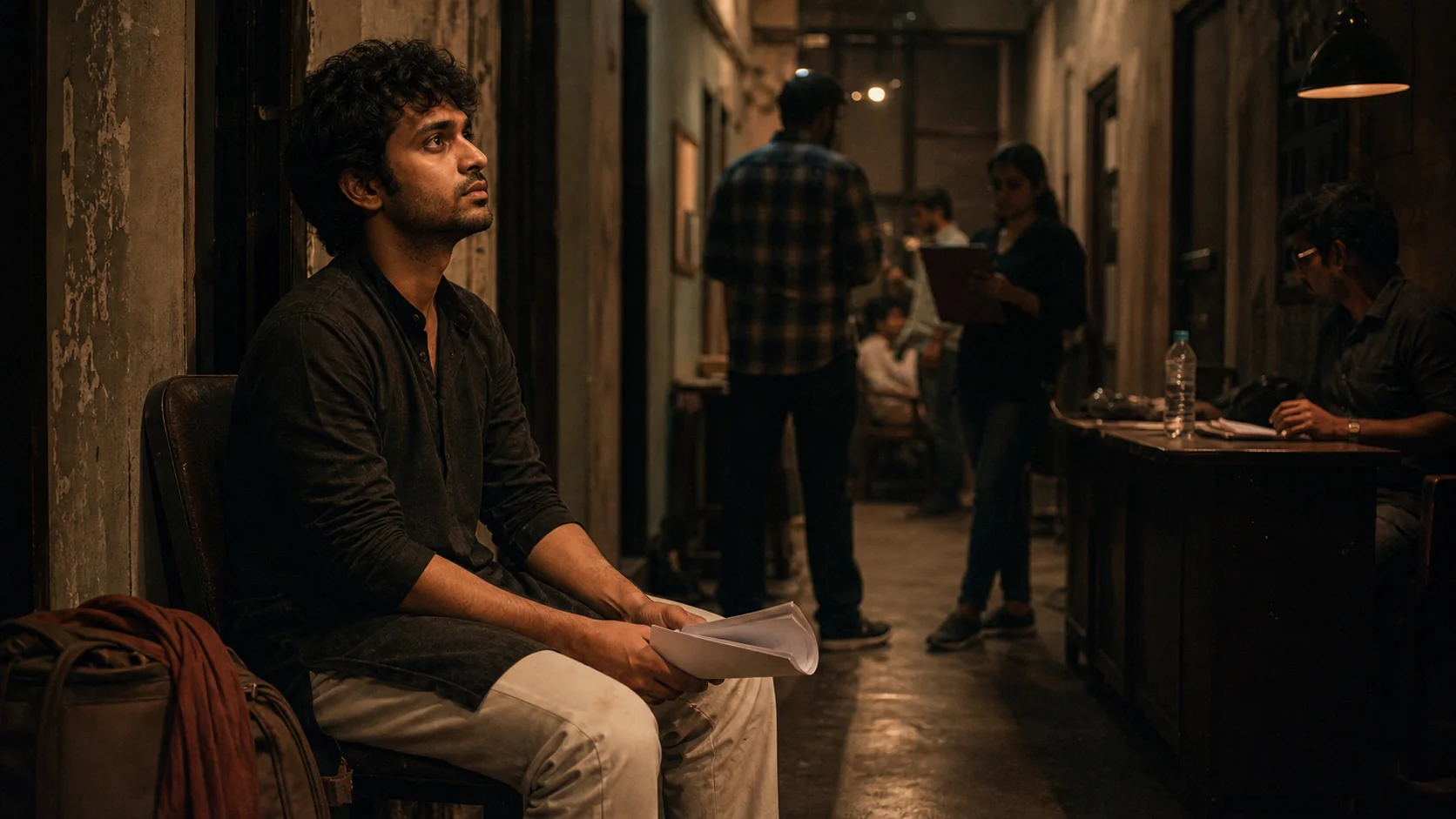
A major performance is praised. The film travels beyond its immediate Bengali audience. Other people associated with it move into fresh work. The actor who has given up television for the project goes home, waits, and hears nothing for six months. This is the scene from Tota Roy Chowdhury’s career that gives the Soul Connection conversation its real force. Success has occurred in public, but continuity has failed in private. The phone is silent precisely when common sense says it should be ringing.
Tota describes that period after Chokher Bali without turning it into a neat lesson. He had left serial work as part of the commitment to the film, spent months on the production, waited for release, and then found no next assignment. When he asked Rituparno Ghosh what had gone wrong, the response he remembers suggested that doing the work very well had itself created a complication. Tota calls this his first direct encounter with an ugly side of the industry, but refuses to supply gossip or names. That refusal matters. It moves the question away from scandal and towards structure: why can visible evidence of ability still fail to produce access?
Three ledgers for the silent months
No current booking can pause employment, but it need not pause training, rehearsal or attention.
Casting depends on fit, timing, finance and familiarity; none is a complete verdict on ability.
Professional courtesy does not require accepting contempt as the price of access.
Good work does not create a contractual next step
The career story we prefer has a clean sequence: strong performance, public recognition, better role. The industry is under no obligation to preserve that sequence. Tota’s early experience shows how quickly one successful part can become a cage. After playing a villain in a popular film, he was repeatedly considered for the same type, even though he had already received praise as a lead. The work had demonstrated range to an audience, but the market retained the most convenient label. A usable image was easier than a fresh assessment.
This does not make every rejection evidence of a plot. Roles require specific ages, bodies, energies, languages and relationships. A producer cannot ignore finance, and a director’s judgment will always contain taste. The serious distinction is between uncertainty and disrespect. A clear refusal after a genuine process is painful. Endless delay, concealed terms, casual humiliation and access that depends on personal submission are exercises of power. Artists cannot control the result, but they can record the process well enough to recognise the difference.
A rejection note should therefore contain facts before conclusions. What was the brief? How much preparation time was available? Was the audition acknowledged? Were fees and credit discussed? Was any useful feedback offered? What single craft adjustment remains within reach? “I failed” answers none of these questions. It turns missing information into identity and leaves the artist with pain but no next action.
When four minutes reveal what familiarity had stopped seeing
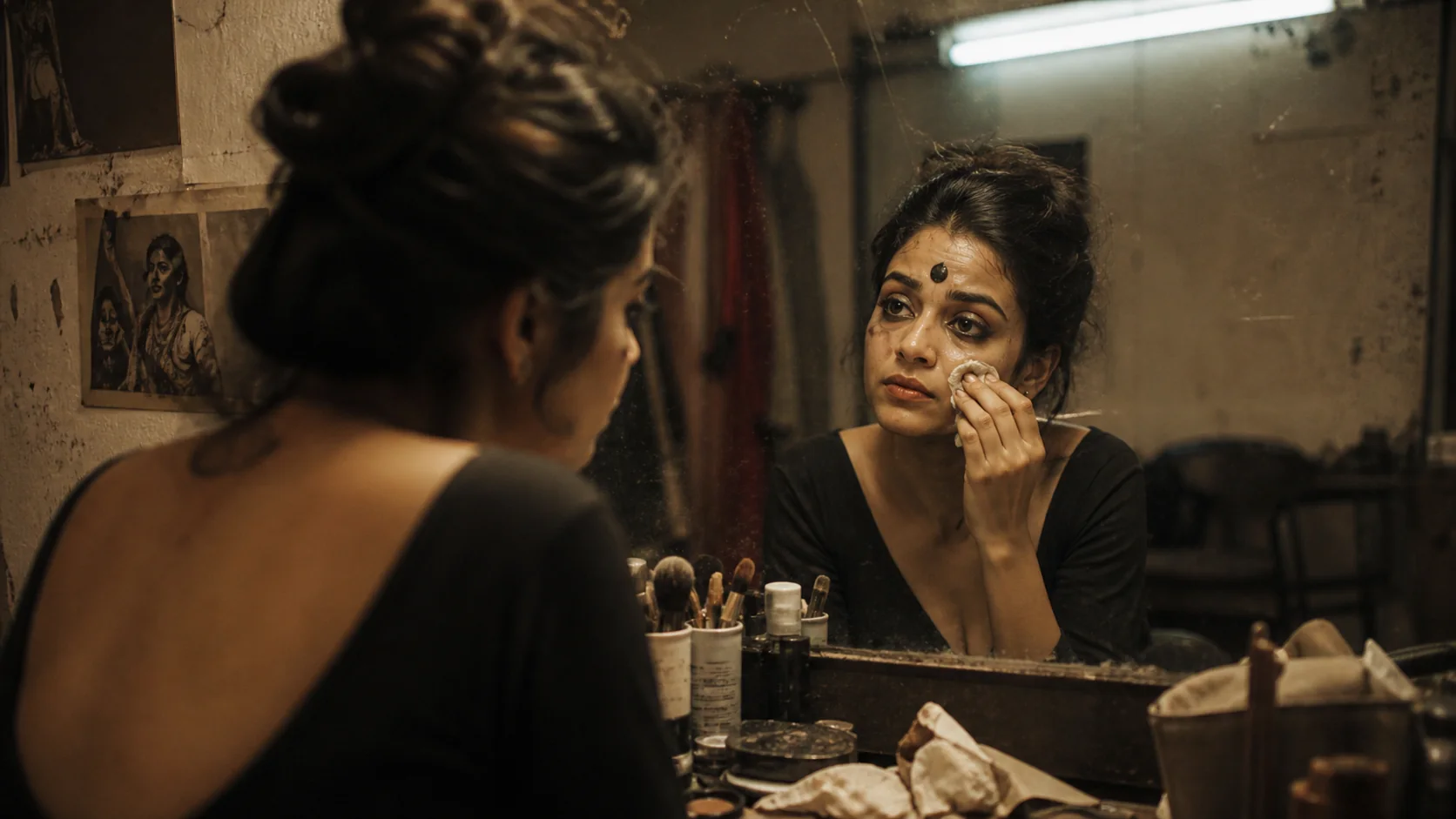
The sharpest comparison in the conversation comes from Rocky Aur Rani Kii Prem Kahaani. Tota says his wife recorded a four-minute audition on a phone. Soon after it was sent, he received a video call from casting director Shanoo Sharma telling him that Karan Johar had selected him. He places that speed beside roughly twenty-five years in Bengali film and television. The sadness was not that Mumbai had finally noticed him. It was that people who had watched far more of his work seemed to require an external decision before recognising the same possibility.
That is testimony from one career, not a statistical study of two industries. Mumbai also contains closed networks, typecasting, financial pressure and arbitrary decisions. Nor does one successful audition prove that every earlier rejection was mistaken. The experience remains useful because it identifies a local paradox. Familiarity may deepen attention, but it can also freeze a person inside an old picture. Once institutions believe they know an artist, they may stop testing what else the artist can do.
The pattern travels beyond cinema. A national platform, foreign award, large brand or viral number often gives local observers permission to revise an old judgment. The artist gains recognition; the institution learns very little. A healthier ecology would audition against its own assumptions before an outsider supplies the stamp. That requires risk, but it also restores judgment as a skill rather than an echo.
Thicker skin must not become a sealed inner life
Tota says that many Bengali roles eventually came to him after other choices had failed. He learned to leave injured pride outside and do the job. That adaptation is professionally useful, but it contains a danger. Sensitivity is not a decorative trait for an actor; it is part of the instrument. If every wound is answered by shutting down feeling, the armour used in the casting room can follow the performer onto the set. The artist then survives the business by weakening the openness the work requires.
Later in the conversation, courtesy and vulnerability become practical questions. Tota recalls once tolerating bad behaviour in silence, then deciding that politeness could not remain an invitation to disrespect. A boundary is not permission to treat every disagreement as an attack. It is a prior decision about what must be named, what should be documented and when leaving is safer than continued access. A calm, exact sentence can be stronger than theatrical aggression.
Cynicism offers another kind of armour. After enough rejection, every successful person can look connected and every compliment can sound false. This may protect self-esteem for a while because no outcome requires self-examination. It also blocks useful criticism. Artists need at least two kinds of relationship: one in which craft can be assessed without flattery, and one in which a lost job is not converted into a moral failure. Expecting one person or one network to provide both usually creates confusion.
Who decides when talent becomes opportunity?
Cinema cannot operate as a pure examination in which the highest mark automatically receives the role. A producer is managing financial risk; a director is building a particular ensemble; distributors and exhibitors carry assumptions about what can be sold; schedules, age, appearance, language and chemistry affect a decision. Tota himself describes being trapped early by image. A successful villainous role made later producers see him primarily inside that box, even though he had already been accepted as a romantic lead. Not every rejection was malice. Some were the ordinary, frustrating mechanics of a collaborative business.
Yet “the market” can become a convenient fog that hides avoidable failures. In the conversation, Tota contrasts years of being treated as a later choice in Bengal with a Mumbai audition that reached Karan Johar and produced a decision within minutes. His conclusion is severe: an industry that had watched hundreds of hours of his work had not recognised a possibility that an outsider saw in a four-minute test. The claim is his reading of his own career, not a measurable verdict on every Bengali casting process. Still, it raises a precise question. When local familiarity becomes a fixed image rather than deeper knowledge, does proximity help talent, or does it make institutions stop looking?
Keeping the artist alive inside the working life
For a working artist, the useful response is neither blind faith nor permanent bitterness. Keep three records. The first is a craft record: classes, rehearsal, voice, movement, self-tapes, reading and the specific weakness being trained. The second is a market record: applications, auditions, follow-ups, fees, credits and which relationships are genuinely professional. The third is a life record: sleep, health, money, family, rest and work outside performance if it is needed. When these ledgers are merged into one emotional number called success, a quiet month feels like proof that the whole person has failed. Separating them does not remove pain. It tells the pain where it belongs.
Tota’s story does not promise that preparation will be rewarded on schedule. It offers something more honest. Luck matters, networks matter, and institutions often recognise people late. Preparation matters because opportunity is unusable without it; boundaries matter because opportunity bought with repeated humiliation can hollow out the person who must perform. An artist may need thicker skin in the casting room, but not a deadened inner life. The real achievement of the silent months is not pretending that the silence does not hurt. It is arriving at the next camera still capable of attention, play and truth.
Specific takeaways
- 01
Do not convert rejection into one personal verdict; separate fit, timing, market conditions and process.
- 02
Keep distinct records for craft development, market activity and the stability of everyday life.
- 03
Clarify fees, credit, dates, deliverables and follow-up expectations in writing.
- 04
Decide in advance which behaviour requires a direct response or a professional exit.
- 05
Build one room for honest craft criticism and another where disappointment is not treated as a character defect.
- 06
Continue training during quiet periods, and protect some practice from becoming public content.
- 07
If you hold power, offer newcomers a real test, usable information and a process that preserves dignity.
Questions for your own life
- After your last rejection, did you investigate the process or issue a verdict on your entire ability?
- Which part of your creative practice continues even when the market offers no immediate response?
- What behaviour are you still accepting because you believe it is the price of access?
- When you hold decision-making power, how do you test people beyond the image already attached to them?
Everyone praised the performance. Then the phone stopped ringing. What does an artist protect?
Watch the complete episode ↗
Arunava Khasnobis
In Soul Connection, Arunava looks at people, art, relationships, failure, moral tension and inner life through conversation. His essays are not episode summaries; they are honest returns to what was heard, tested against his own questions, experience and unfinished understanding.
CONTINUE READING