Soul Connection · Cinema · Culture
Is Bengali cinema dying, or has it stopped speaking to its audience?
A diagnostic lens for separating nostalgia from the real pressures of craft, exhibition, pricing, distribution, memory and a radically changed screen culture.
An old film song and an audience that has changed
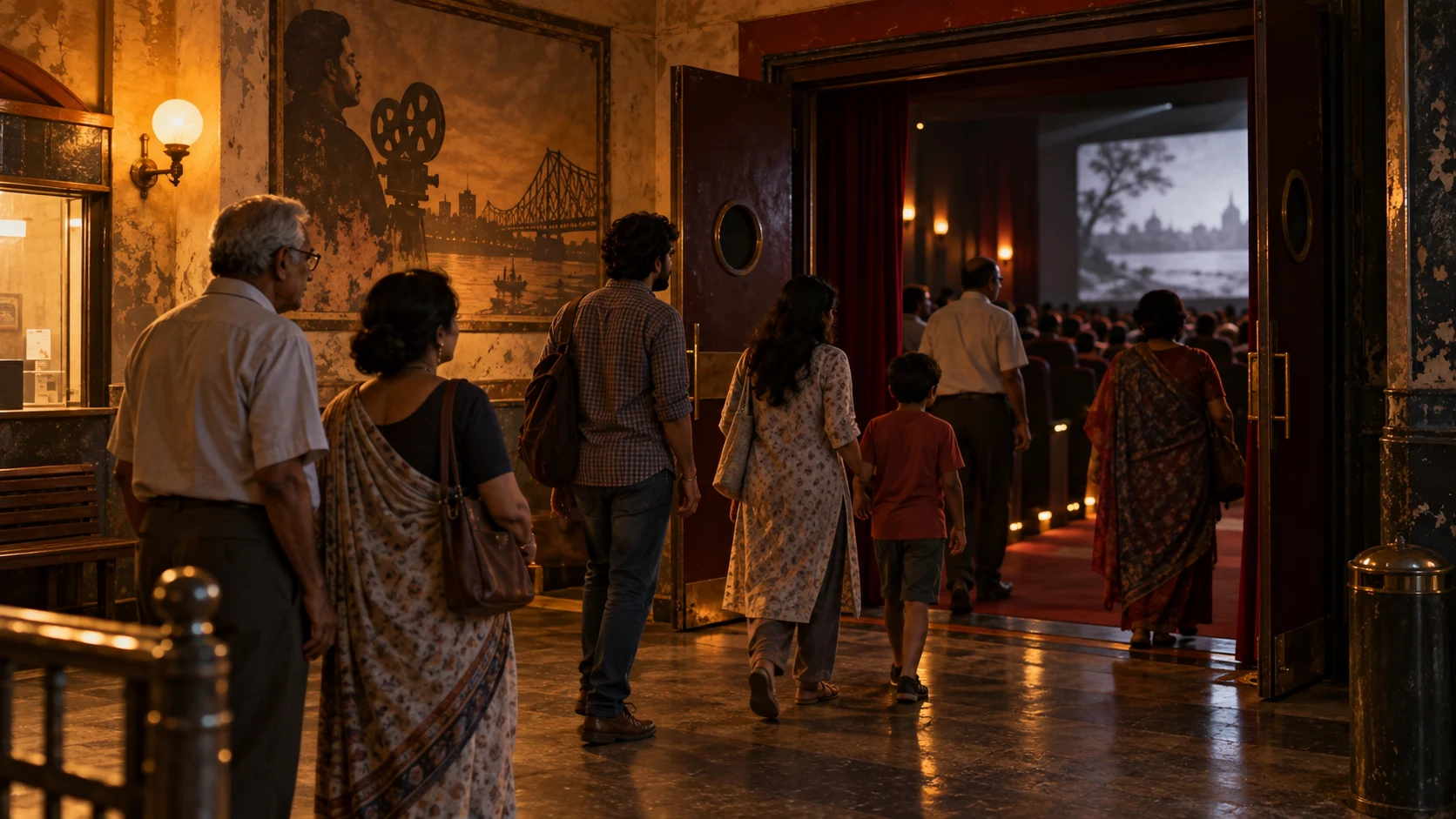
A Kolkata single-screen can hold more than a thousand people. An archival account of Basusree records that, before the pandemic, some shows sold no more than about two hundred tickets. The same account also documents later Bengali releases that brought strong business back to that hall. One building, two contrary scenes. “The audience no longer watches Bengali films” is too easy; so is “one hit proves the industry has recovered.” Both are verdicts. Neither tells us where the relationship between a film and its public actually broke.
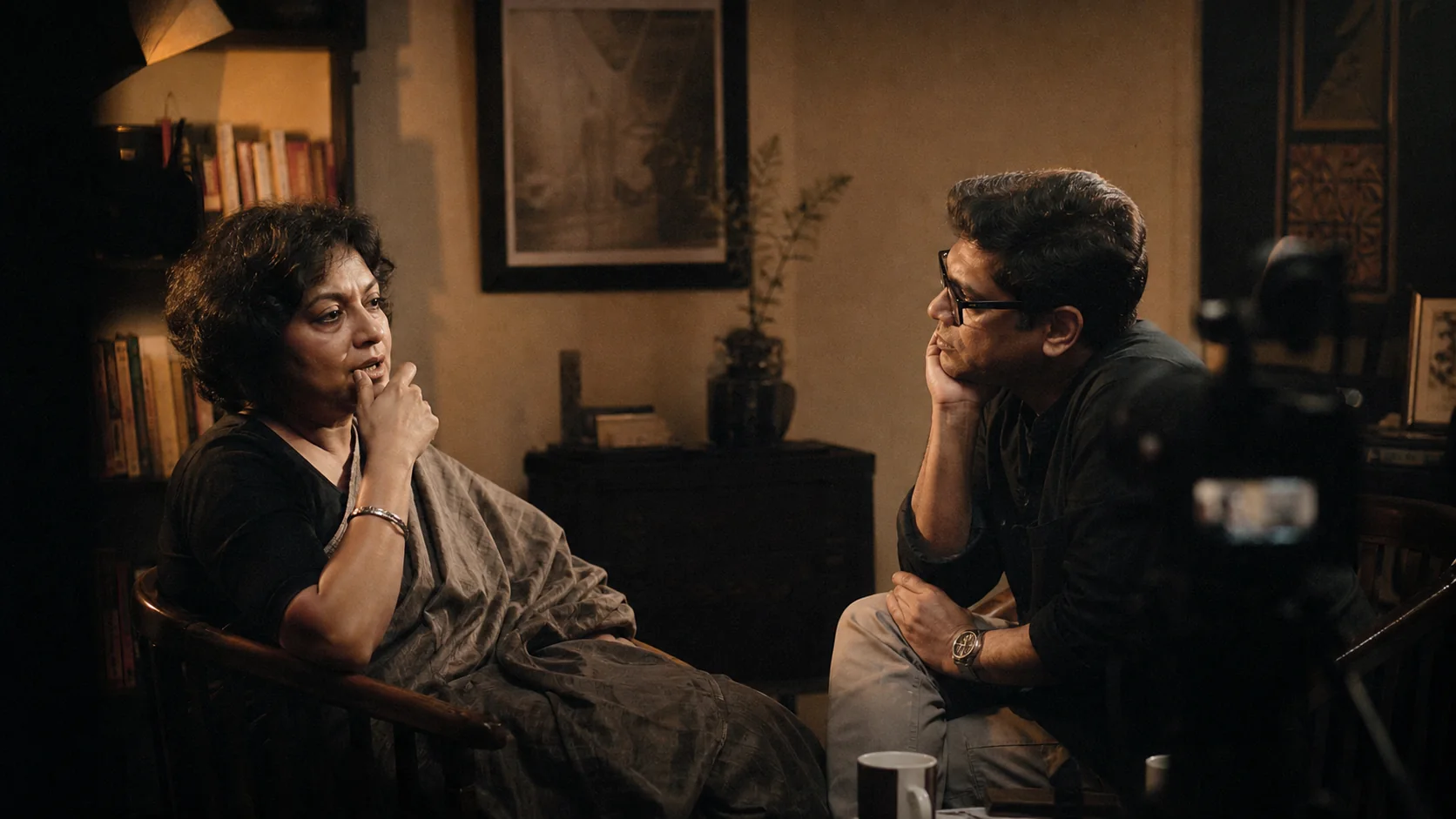
A 2023 Soul Connection conversation with filmmaker and journalist Subrata Sen moves through journalism, Satyajit Ray, Bengali cinema, commercial cinema and the cultural climate of Bengal. Its chapter structure itself suggests the wider frame: cinema does not weaken or renew in isolation. Public conversation changes; leisure, attention and journalism change; the screen changes with them. This essay therefore asks whether Bengali cinema is dying, or whether an old grammar of speaking to its audience has stopped working. The payoff is not a slogan of revival. It is a way to separate failures of craft from failures of access, price, exhibition, memory and trust.
Three vital signs of a film culture
Do story, craft and performance respect the audience’s time and intelligence?
Do showtimes, price, distribution, publicity and platforms give the film a real chance to be found?
Does the audience still experience Bengali cinema as an event, a habit or a mirror of lived life?
A golden age was an ecosystem, not a list of geniuses
The international journey of Pather Panchali demonstrates the power of an individual work without proving that individual achievement is enough. MoMA records its New York premiere in 1955, before recognition at Cannes the following year established Ray internationally. Yet the film also had a local life in Bengali theatres and conversations. Global prestige and local intimacy were not opposite ambitions. A film rooted in a particular landscape could travel because its particularity carried human force, not because it had been sanded down into placeless content.
The popular tradition belongs in this history as much as the canonical one. Romance, melodrama, comedy, thrillers, literary adaptations and political modernism did different cultural jobs. Stars created repeated emotional investment; songs and dialogue entered domestic memory; halls turned viewing into a collective ritual. An industry that makes only festival objects may lose everyday audience habit. An industry that only repeats a formula loses the audience's intelligence. A living film culture needs experiment and pleasure, canon and crowd, sometimes inside the same film.
This distinction matters because “bring back the golden age” is not a programme. The industrial arrangements of New Theatres cannot simply be restored, and the social world that produced the Uttam–Suchitra phenomenon no longer exists in the same form. The transferable lesson is relational: talent had routes to learn, films had routes to reach people, and audiences had reasons to return. Revival means rebuilding those functions under present conditions, not decorating the present with old names.
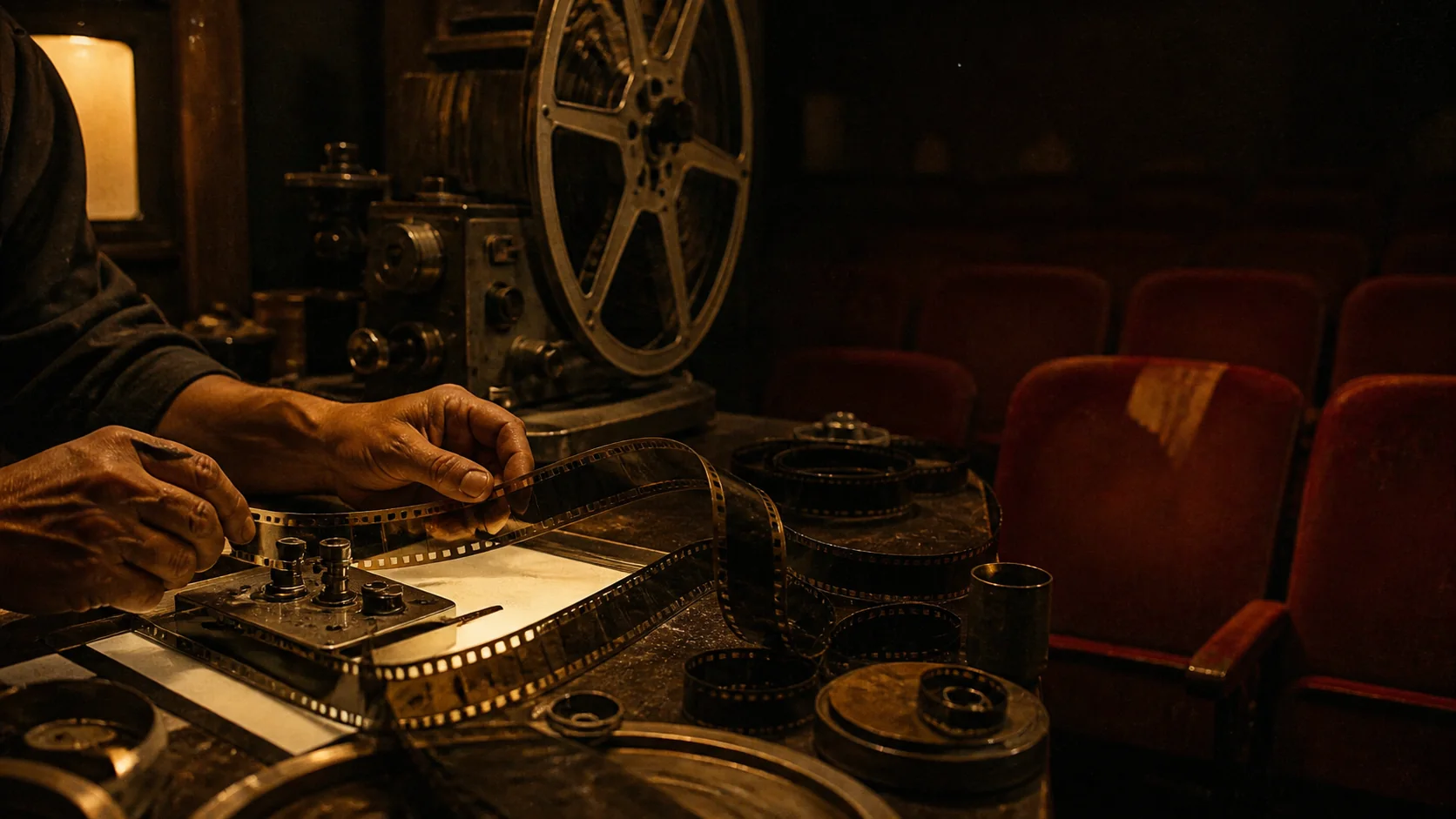
The audience did not vanish in one piece
Blaming the audience gives an industry emotional relief. It avoids questions about district-wise access, inconvenient showtimes, the combined cost of travel and tickets, misleading trailers, short publicity cycles, absent subtitles and releases that disappear before word of mouth can form. The reverse excuse is equally weak. Distribution cannot repair a careless screenplay, unfinished sound, borrowed visual grammar or contempt for the viewer's time. Access and craft are different responsibilities, and both can fail at once.
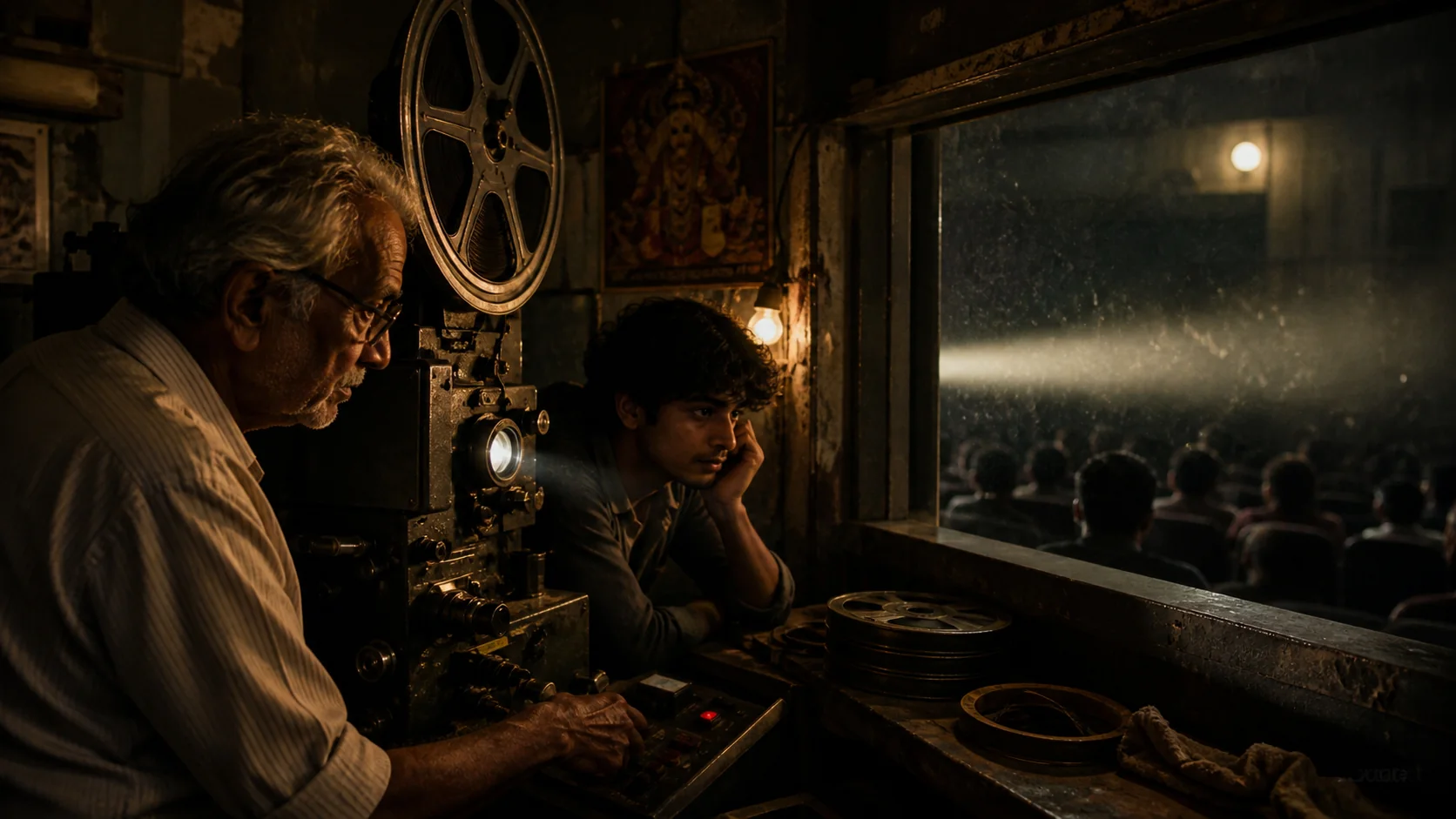
Research published by SRFTI on West Bengal's disappearing single screens and rural video halls treats circulation, exhibition and everyday viewing as part of cinema history. When a hall closes, the loss is not only a screen. A local projectionist, poster economy, evening route and shared social ritual may disappear with it. A film can remain available as digital content while shrinking as a community event. Calling this mere nostalgia ignores geography and the unequal cost of reaching a multiplex.
But preserving a building as a museum is not a distribution strategy. The Basusree record places decline beside revival programmes, festivals and contemporary films that drew audiences. One hall cannot represent the state, but its fluctuations offer a useful clue: the audience is not permanently absent. People return for occasion, trust, access and recommendation. The more difficult question is how occasional return becomes a durable habit across a slate, rather than a celebration surrounding one exceptional release.
The new contract between theatre and phone
A Bengali film no longer competes only with another Bengali film. On the same evening, a viewer can choose Hindi, Malayalam, Korean or Spanish drama, a documentary, a game and an endless short-form feed. Subtitles have opened language borders; recommendation systems now guard visibility. This is not simply cultural decline. If viewers encounter sharper craft, pace or emotional honesty elsewhere, they can reasonably expect equal respect from cinema in their own language. Local identity is not a discount on execution.
EY's 2025 survey-based report on film exhibition in India captures a national tension that matters here without functioning as Bengali-specific proof. Many surveyed cinemagoers expressed a preference for theatres, while low screen density, affordability and compressed windows shaped actual choices. The report describes theatrical windows of roughly four to eight weeks and respondents who had waited for streaming. A release must now answer a practical question before opening weekend: why should this story be experienced in a hall, now, rather than later at home?
Streaming is therefore both an extension and a rival. It can give a small film a second life, reach the diaspora and make language travel through subtitles. It can also reduce a film to one thumbnail in a catalogue, make rights revenue less predictable and leave discovery to an algorithm when marketing stops. A cut that holds a theatre in collective silence may meet constant interruption on a phone. The truth of the story need not change with the medium, but the conditions under which that truth can be felt certainly do.
The risk of measuring the present by a golden-age memory
The history of Bengali cinema is often told as a gallery of exceptional directors and stars. Their achievement is undeniable, but a golden period is never made by genius alone. Bengal Film Archive's account of New Theatres reveals a dense infrastructure of silent and sound films, technicians, recording practice, writers, performers and exhibition. An ecosystem trained people, absorbed risk and built habits of return. A masterpiece needs imagination; a sustained cinema culture also needs laboratories, wages, rehearsal rooms, halls, criticism and another generation learning the work.
Nostalgia complicates the diagnosis. Every past decade produced weak films, exclusion and forgotten labour, while archives preserve selectively. We compare the best surviving films of fifty years with the entire weekly output of the present, an obviously unequal contest. Yet nostalgia is not meaningless. A return to Ray, Ghatak, Sen, Tapan Sinha, Uttam–Suchitra or Rituparno may express a contemporary hunger for character, performance, music, social detail and formal courage. The useful response is not imitation. It is to identify the human need the older work met and invent a present form capable of meeting it again.
Where Bengali cinema may find its next audience
Before pronouncing a Bengali film a success, failure or cultural symptom, ask five separate questions. Was the film worthy of the audience's time at the level of craft? Who was the intended viewer, and did that viewer know it existed? Were there viable shows, locations and release time? Was the full cost of attendance affordable? After theatres, was there legal digital access and enough discoverability to find it? Box office can answer part of this map. It cannot answer all of it.
The audience has a responsibility too, but not a loyalty tax. No one should be required to admire every Bengali film because of language. A more adult form of participation is to buy a ticket for work that creates curiosity, offer specific criticism rather than ritual contempt, recommend discoveries, and take part in local halls, festivals and archives. Bengali cinema's future will not be delivered by one director, star, platform or policy. It will be negotiated among the writer's draft, the technician's wage, the distributor's calendar, the light in a hall, the critic's honesty and the viewer's decision. The useful question is no longer “Will Bengali cinema survive?” It is this: which door between the story and the audience is closed today, who holds the key, and do they know someone may still be waiting on the other side?
Specific takeaways
- 01
Judge quality, access, affordability, publicity and discoverability as separate parts of a release.
- 02
Do not treat one hit as proof of revival or one failure as proof that an industry is dead.
- 03
Learn from the infrastructure, apprenticeship and audience habit of a golden period, not only its famous names.
- 04
Define an audience by place, age, platform habit and emotional need rather than saying “all Bengalis.”
- 05
Treat trailers, posters and subtitles as part of a film's public life, not accessories added after completion.
- 06
Recognise the cultural loss of a closed hall while linking preservation to viable programming and access.
- 07
Read box office as a signal, not a complete verdict on craft, screen availability or long-term trust.
- 08
Loving Bengali cinema does not require praising everything; it requires supporting strong work and criticising weak work precisely.
Questions for your own life
- For the last Bengali film I saw in a theatre, how much did story, price, showtime and recommendation each shape the decision?
- Am I comparing the best surviving films of the past with the average release of the present?
- Which Bengali film helped me see my own life or time differently, and what craft made that possible?
- When I hear that a strong film has opened, what realistic path do I have to discover and watch it?
- Instead of saying “Bengali cinema is finished,” which precise failure can I name: writing, performance, marketing, exhibition or distribution?
- Soul Connection Podcast · Subrata Sen on journalism, Bengali cinema and Bengal’s cultural climate ↗
- Bengal Film Archive · New Theatres studio history ↗
- The Museum of Modern Art · Satyajit Ray’s Pather Panchali ↗
- SRFTI Take One · Research on circulation, exhibition and disappearing single screens in West Bengal ↗
- Bengal Film Archive · Basusree cinema hall history ↗
- EY India · The story of film exhibition in India ↗
- FICCI–EY · Stories, scale and impact: Unlocking India’s media and entertainment economy ↗

Arunava Khasnobis
In Soul Connection, Arunava looks at people, art, relationships, failure, moral tension and inner life through conversation. His essays are not episode summaries; they are honest returns to what was heard, tested against his own questions, experience and unfinished understanding.
CONTINUE READING